Why Is My Zucchini Turning Yellow? The Usual Causes and How to Tell Them Apart
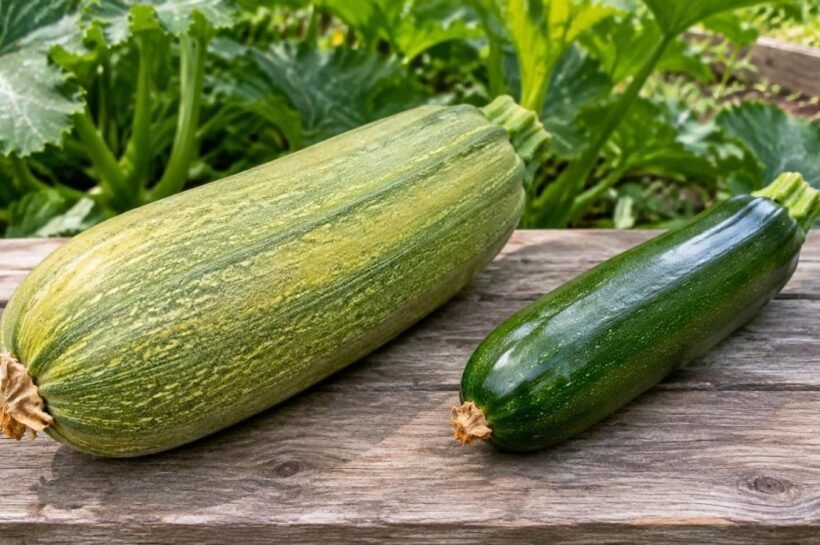
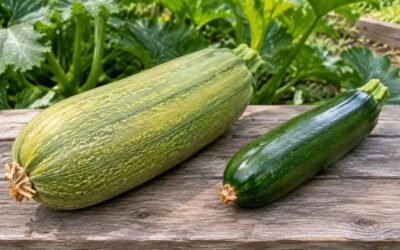
Zucchini turning yellow usually means overripe fruit, poor pollination, blossom end rot, or a virus. Learn how to tell them apart and what to do.
Zucchini turning yellow usually means overripe fruit, poor pollination, blossom end rot, or a virus. Learn how to tell them apart and what to do.
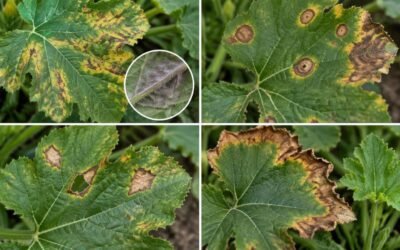
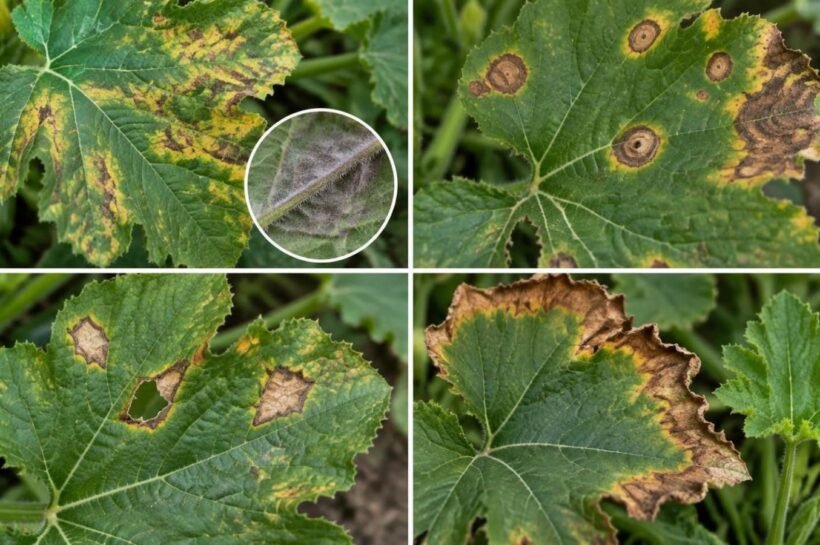
Brown spots on zucchini leaves can mean disease, spray burn or weather. Learn how to read the spots, find the cause and fix it.
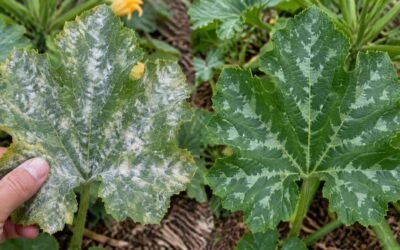
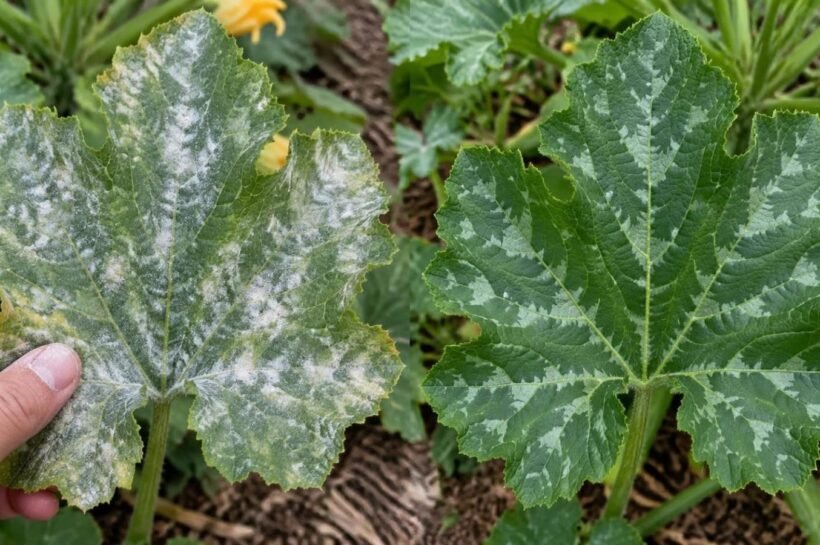
Learn how to identify powdery mildew on zucchini, distinguish it from natural silver markings, and choose effective early treatments and prevention.
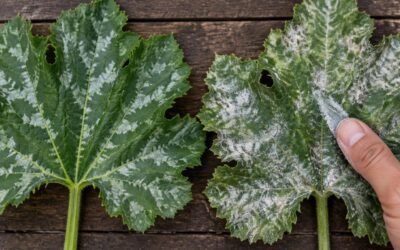
Learn to distinguish harmless natural silvering from powdery mildew, downy mildew, whitefly damage, and viral mottling on zucchini leaves.
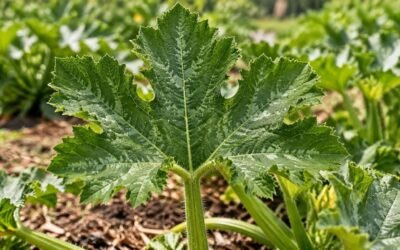
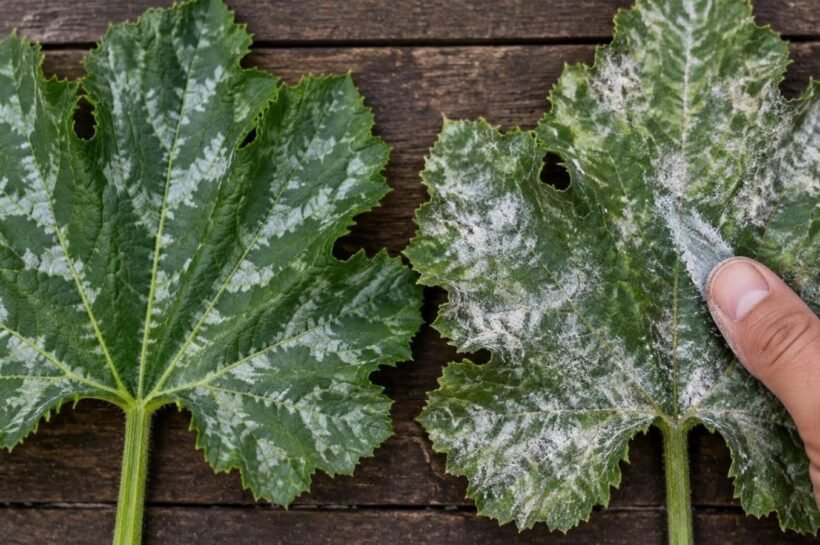
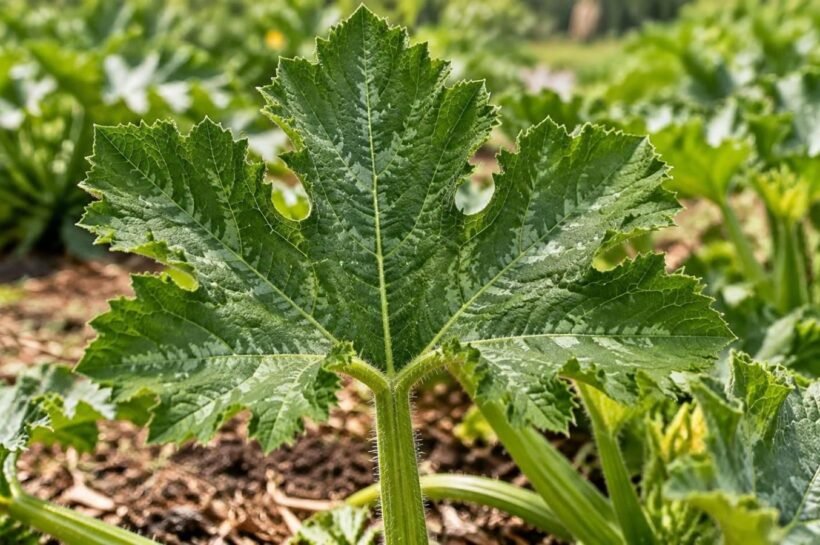
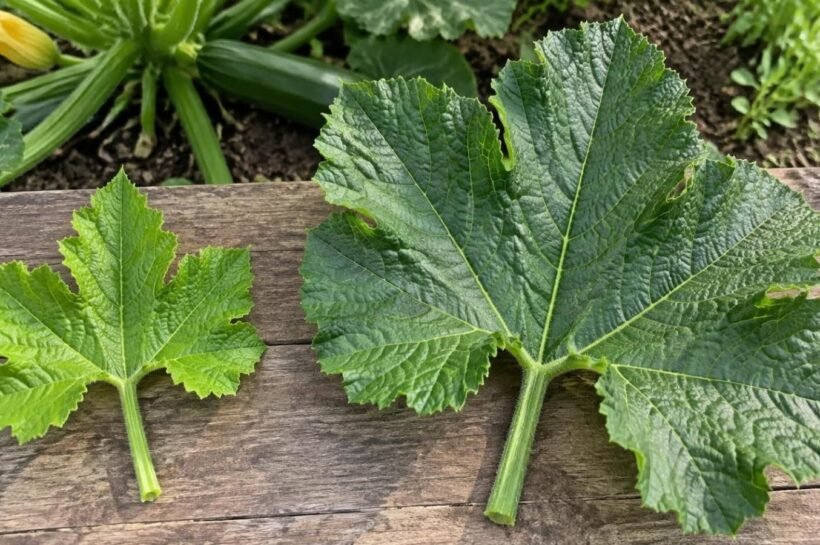
Learn how to recognize zucchini leaves, distinguish normal silver markings from powdery mildew, and compare seedlings and other squash-family foliage.
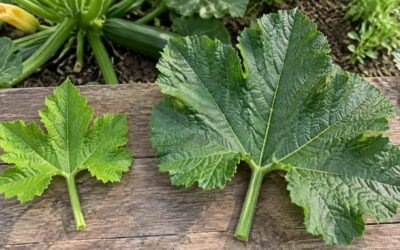
Only young, non-bitter zucchini leaves are generally safe to eat. Learn how to identify, harvest, and cook them safely.
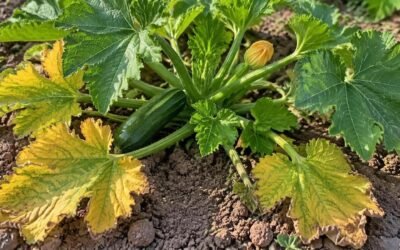
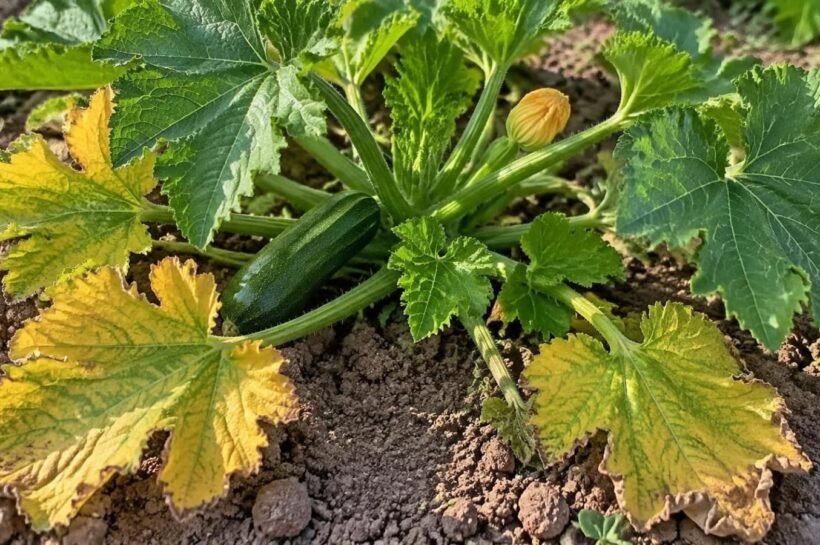
Diagnose why zucchini leaves turn yellow by comparing old and new leaves, vein patterns, soil moisture, nutrient issues, mildew, and vine borer damage.
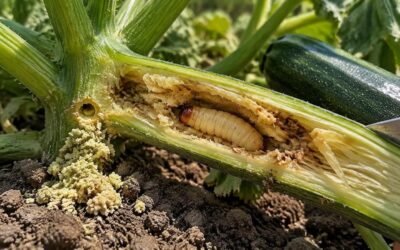
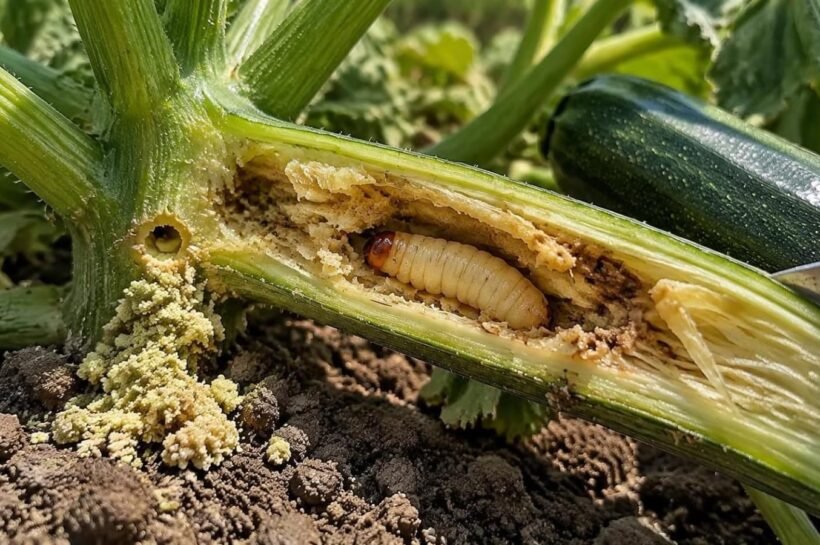
Identify zucchini pests and diseases by their symptoms on stems, leaves and fruit, with photos, practical checks, and treatment and prevention tips.

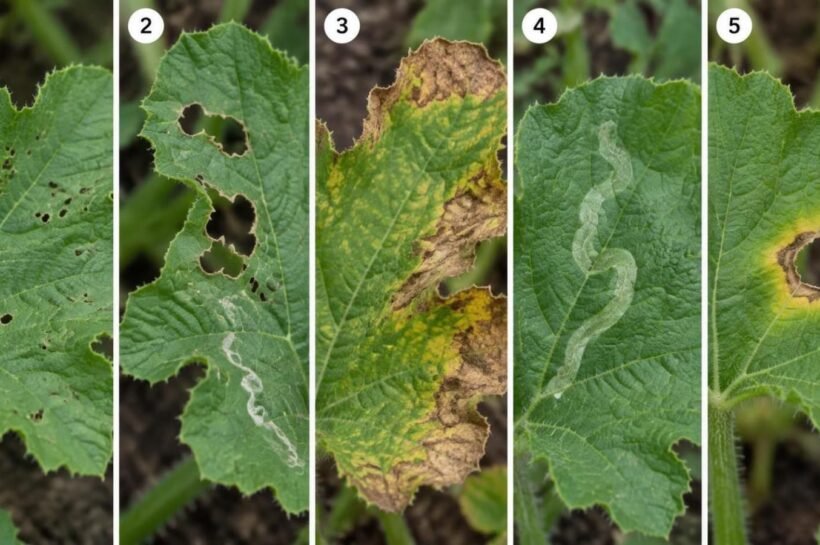
Identify what’s eating your zucchini plant by comparing leaf holes, speckles, tunnels, wilt, and other damage with common garden pests.

Learn how to hand pollinate zucchini in minutes using a male flower or soft paintbrush, and how to tell whether pollination worked.
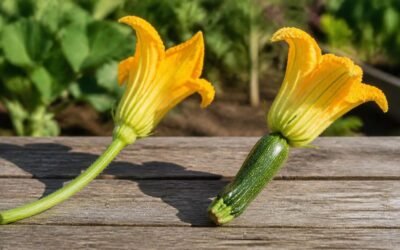
Learn to identify male and female zucchini flowers by their stems, bases, and centers, and understand what each means for pollination and fruit.
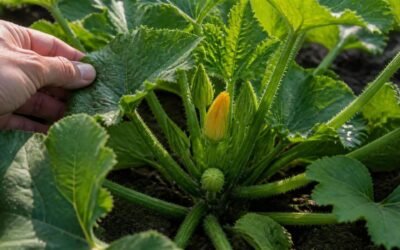
Learn why a zucchini plant is not flowering, from hidden buds and plant age to sun, nitrogen, weather and soil moisture.